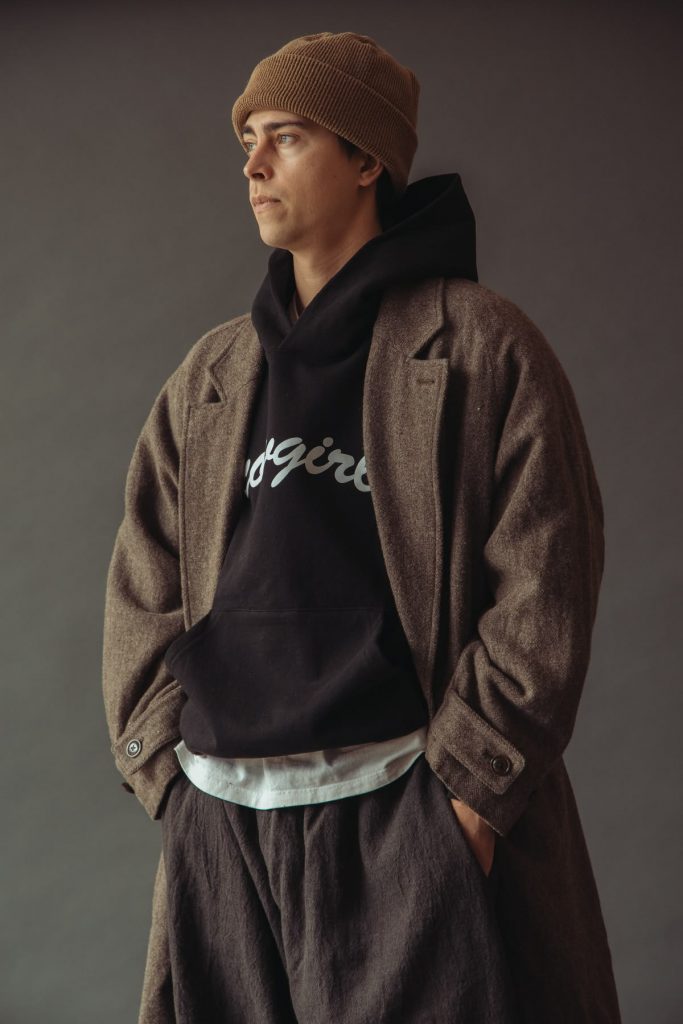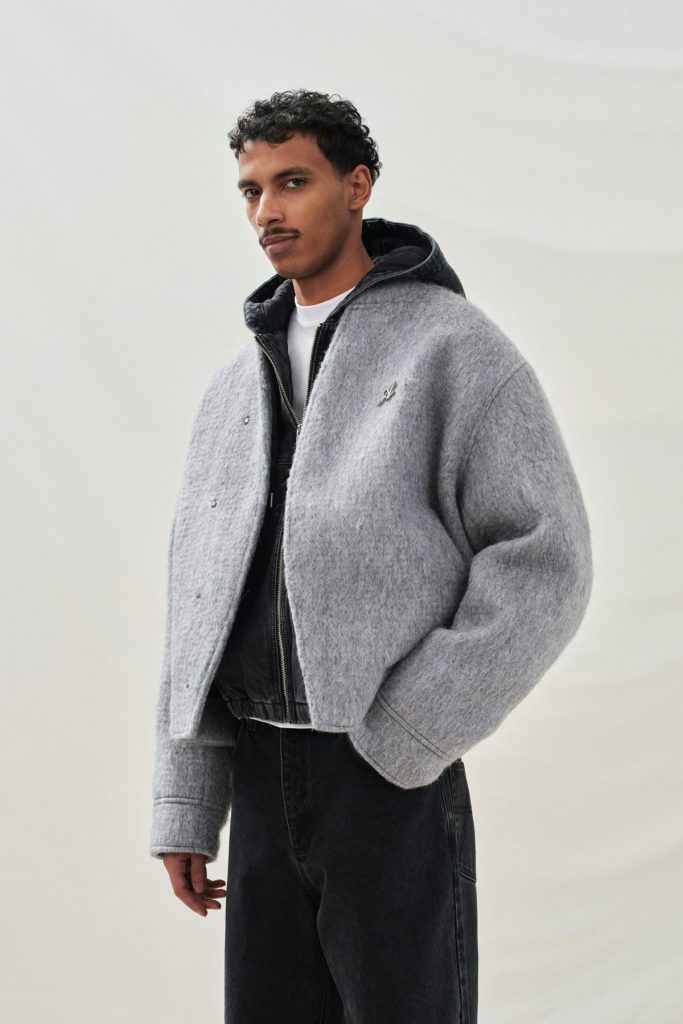
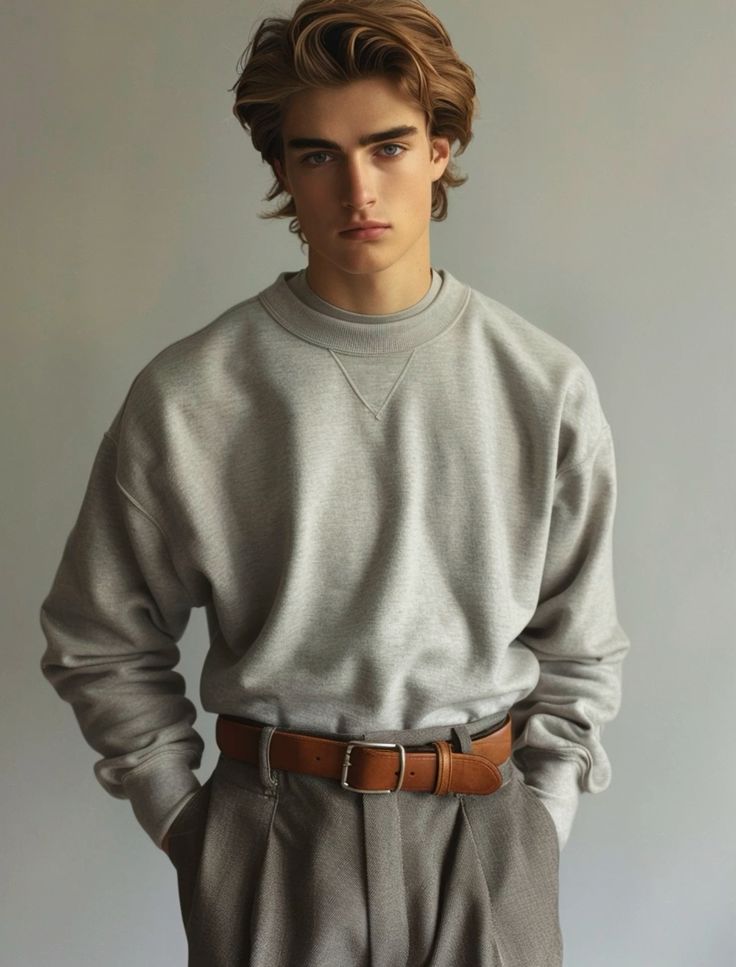
In today’s world, fashion is no longer just about covering the body. It’s a powerful tool that allows individuals to showcase their personality, beliefs, and experiences to the world. Style is deeply personal, and the way we choose to dress reflects who we are, how we feel, and how we want to be perceived. This article explores why style is a form of self-expression, how it connects with our identity, and the role it plays in shaping our relationships with others.
1. Understanding the Power of Style
Style is much more than just the clothes we wear. It’s a visual representation of who we are as individuals. From the colors we choose to the fabrics we wear, every aspect of our wardrobe sends a message to those around us. Fashion allows us to communicate without saying a word. When we dress in a way that reflects our personality, we are sending out signals about our values, interests, and preferences.
Style as a Non-Verbal Language
Style is often referred to as a “non-verbal language” because it communicates something about us before we even open our mouths. The way we choose to dress can tell others about our emotional state, social status, and even our aspirations. For example, someone wearing a tailored suit might convey professionalism, while someone in casual, relaxed clothing may suggest a laid-back, approachable demeanor. The nuances of fashion are a silent but powerful method of expression.
2. Clothing Reflects Our Identity
What we wear has a direct connection to our identity. It can help us feel more like ourselves and build a strong connection to our internal sense of who we are. Many of us find that dressing a certain way boosts our confidence and helps us feel more aligned with our values and goals.
Personal Identity and Clothing Choices
Personal identity is an evolving concept, and our clothing choices evolve with it. For instance, teenagers often experiment with different styles as they discover who they are. The music they listen to, the social groups they belong to, and their cultural backgrounds all influence their style. In the same way, adults often adjust their wardrobe as their lives change. A promotion at work might inspire a more formal style, while a change in lifestyle or philosophy may lead to a more minimalist wardrobe.
3. Fashion Enables Self-Discovery
Style is not static. As we grow and change, our style evolves too. Fashion allows us to explore different sides of ourselves and try on new identities, much like how an actor tries on different roles. One day you might feel bold and adventurous, so you experiment with colors and patterns. Another day, you might feel more reserved and choose neutral, understated pieces.
Exploring Different Styles
Experimenting with different styles is an important part of self-discovery. Through our clothing, we can step outside of our comfort zone and discover new aspects of our personality. Whether it’s trying out a bohemian aesthetic, embracing streetwear culture, or stepping into high fashion, fashion offers endless opportunities for self-expression.
By experimenting with various looks, we learn what resonates with us the most, ultimately helping us discover our unique identity.
4. Style Communicates Our Valu es and Beliefs
What we wear can also communicate our values and beliefs to the world. Fashion is often a reflection of our social or political stances. For example, some individuals may choose to wear clothing from brands that support ethical practices or use sustainable materials. Others might wear symbols or slogans that support social movements, like Black Lives Matter or environmental causes.
Clothing as a Statement
Fashion has always been a platform for making bold statements. In the 1960s, the counterculture movement used clothing as a form of protest. Today, young people use fashion to express their political opinions and support social causes. A simple t-shirt with a slogan can become a powerful tool for social change. The way we dress allows us to align ourselves with movements, make a stand, and express solidarity with causes that are important to us.
5. Style and Confidence Go Hand-in-Hand
When we wear clothing that aligns with who we are and how we feel, we exude confidence. Confidence is closely linked to style because what we wear has a profound impact on how we carry ourselves. When we feel good in our clothing, we feel empowered and ready to take on the world.
Dressing for Confidence
Many people find that when they dress in a way that feels authentic, they become more confident. This is why the concept of “power dressing” exists. Wearing clothing that fits well, flatters your body, and reflects your personality can give you a sense of control and confidence. When you feel good about how you look, you’re more likely to take on challenges with confidence and assertiveness.
6. Style as a Means of Social Connection
While style is deeply personal, it also plays an important role in connecting with others. Fashion allows us to express ourselves in a way that others can relate to. Whether it’s through shared interests, cultural similarities, or even subcultures, the way we dress helps us find our tribe.
Fashion and Social Groups
Style can signify membership in a specific social group. For example, people who belong to the punk rock scene often wear a distinctive look that includes leather jackets, band t-shirts, and bold hair colors. Similarly, professional attire can communicate membership in a business-oriented social group. By dressing a certain way, we signal to others that we belong to a particular community, making it easier to find like-minded people.
7. Fashion and Gender Expression
Fashion is also a powerful tool for gender expression. For many people, clothing is a way to communicate their gender identity. Whether through clothing choices, makeup, or hairstyles, fashion allows individuals to express their gender in a way that feels right for them. Non-binary individuals, in particular, often use fashion as a means to create a look that aligns with their personal sense of self.
Breaking Gender Norms
As societal attitudes toward gender evolve, fashion has become a vehicle for breaking gender norms. Many fashion houses now feature non-binary or gender-neutral clothing, offering consumers more freedom to choose clothing that fits their personal identity rather than traditional gender roles.
Conclusion: The Art of Self-Expression Through Style
Style is one of the most personal ways to express yourself. Through fashion, you communicate your identity, beliefs, and personality to the world. Whether you’re feeling bold or understated, rebellious or refined, fashion allows you to choose how you want to present yourself. It’s an evolving journey of self-discovery, self-expression, and empowerment. Ultimately, style is not just about following trends; it’s about being authentic to yourself and using clothing as a tool to communicate your unique story to the world.
Fashion gives us the freedom to explore different aspects of ourselves and shape how we are perceived. It helps us connect with others, stand up for what we believe in, and express our individuality. When you understand the power of style, you realize that fashion is much more than just clothing—it’s an essential part of who you are.